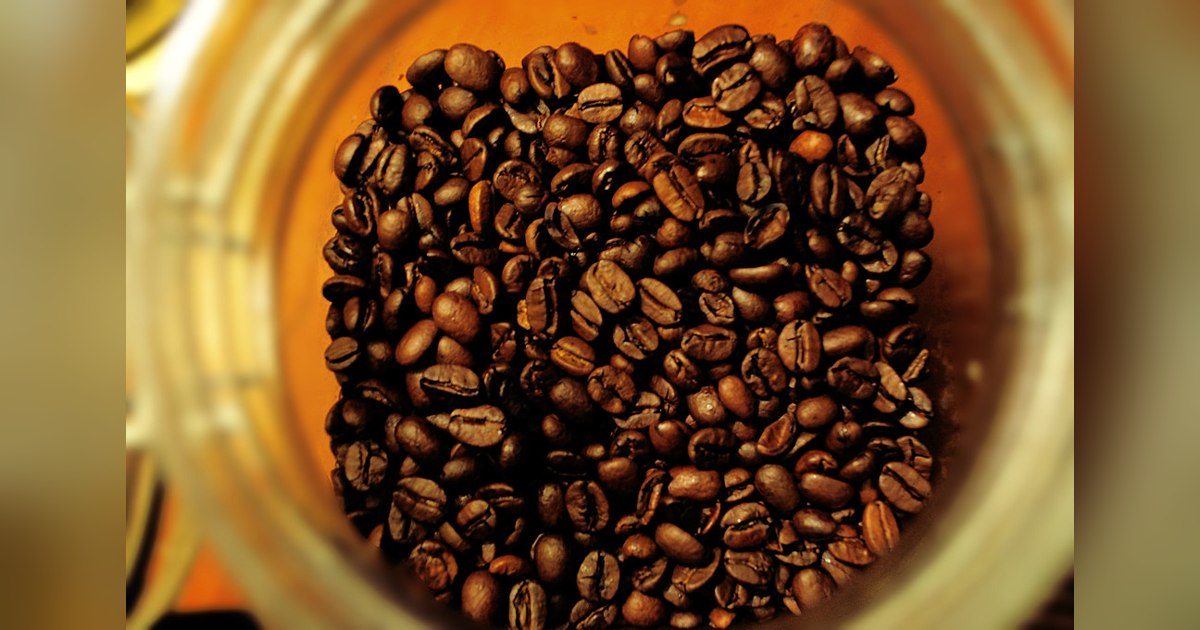
Image: Zawezome via Flickr (CC BY 2.0). For illustrative purposes only — not the exact product reviewed.
Coffee Storage: How to Keep Your Beans Fresh for Weeks
You spent real money on freshly roasted specialty beans. You bought a good grinder. You've dialled in your recipe. Then you leave the bag open on the counter for a week and wonder why Tuesday's cup tastes like cardboard. Coffee freshness is simple science, and the fix costs less than one bad bag of beans.
Why Coffee Goes Stale
Roasted coffee is a volatile, fragile product. The moment beans leave the roaster, four processes start degrading them:
- Oxidation. Oxygen reacts with the aromatic oils on the bean's surface, turning bright, fruity compounds into flat, rancid ones. This is the biggest freshness killer.
- Moisture absorption. Coffee beans are porous and hygroscopic. They pull moisture from the air, which accelerates chemical breakdown and can even encourage mould growth in humid climates.
- CO2 degassing. Freshly roasted beans contain trapped carbon dioxide that escapes over days and weeks. CO2 contributes to the bloom during brewing and acts as a protective barrier against oxygen. As it dissipates, the beans become more vulnerable to oxidation.
- Light exposure. UV light breaks down flavour compounds. That clear glass jar on your windowsill might look beautiful, but it's actively destroying your coffee.
The practical result: whole beans peak between 7 and 21 days after roasting and remain good for about 30 days if stored properly. Ground coffee starts declining within 15 minutes of grinding.
The Rules of Good Storage
Every storage decision comes down to minimising contact with oxygen, moisture, light, and heat.
Rule 1: Airtight Is Non-Negotiable
The foil bag your beans arrived in is designed for shipping, not long-term storage. Most bags have a one-way valve that lets CO2 escape but aren't truly airtight once opened. Transfer your beans to a dedicated container with a proper seal.
The best options are vacuum-sealed canisters that actively push air out. The Fellow Atmos uses a twist-lock lid that creates a vacuum seal with each close, pushing oxygen out through a one-way valve. The Airscape canister uses an inner plunger lid that forces air out as you press it down onto the beans.
Budget alternative: a simple airtight stainless steel canister with a CO2 valve works nearly as well for a fraction of the price. The key is an opaque container with a tight seal.
Rule 2: Dark and Cool
Store your container in a cupboard or pantry, away from the stove, the window, and any heat source. Room temperature (18 to 22 °C) is fine. The counter next to your kettle feels convenient but gets warm from steam and direct light.
Rule 3: Whole Beans, Always
Never store ground coffee for more than a day. The surface area increase from grinding accelerates staling by a factor of hundreds. Grind immediately before brewing, every time. If you don't own a grinder yet, our grinder buying guide helps you pick the right one.
The Freezer Debate: Does It Actually Work?
Yes, but with caveats. Freezing dramatically slows oxidation and can extend bean freshness to 2 to 3 months. The catch is that you have to do it correctly, or you'll make things worse.
The Right Way to Freeze Coffee
- Portion into single-use doses. Divide your beans into 15 to 18 gram bags, enough for one brew each.
- Remove as much air as possible. Use small ziplock bags and press the air out, or use a vacuum sealer if you have one.
- Freeze immediately after receiving the beans (ideally within 3 to 5 days of roast date, after the initial degassing window).
- Grind from frozen. Take a bag out, grind the frozen beans immediately, and brew. Do not thaw first. Frozen beans actually grind more uniformly because the cold makes them more brittle.
- Never refreeze. Once thawed, beans absorb moisture from condensation. Refreezing locks that moisture in and destroys the cell structure.
The Wrong Way
Tossing an open bag into the freezer and pulling it out every morning. Each time you open the bag, warm moist air rushes in, condenses on the cold beans, and introduces the very moisture and oxygen you were trying to avoid. This is worse than just leaving the beans on the counter.
How to Tell If Your Beans Are Past Their Prime
- No bloom. Fresh beans release a dome of CO2 during the bloom pour. If the grounds sit flat and lifeless when you add water, the CO2 is gone and the beans are old.
- Cardboard or papery aroma. Open the bag and sniff. Fresh coffee smells vibrant and complex. Stale coffee smells flat, woody, or like nothing at all.
- Oily surface on light or medium roasts. Oil migrating to the surface of beans that aren't dark-roasted indicates age and cellular breakdown.
- Flat, lifeless taste. If your technique is dialled in and the cup still tastes empty, the beans are the problem. Read our troubleshooting guide to rule out other causes first.