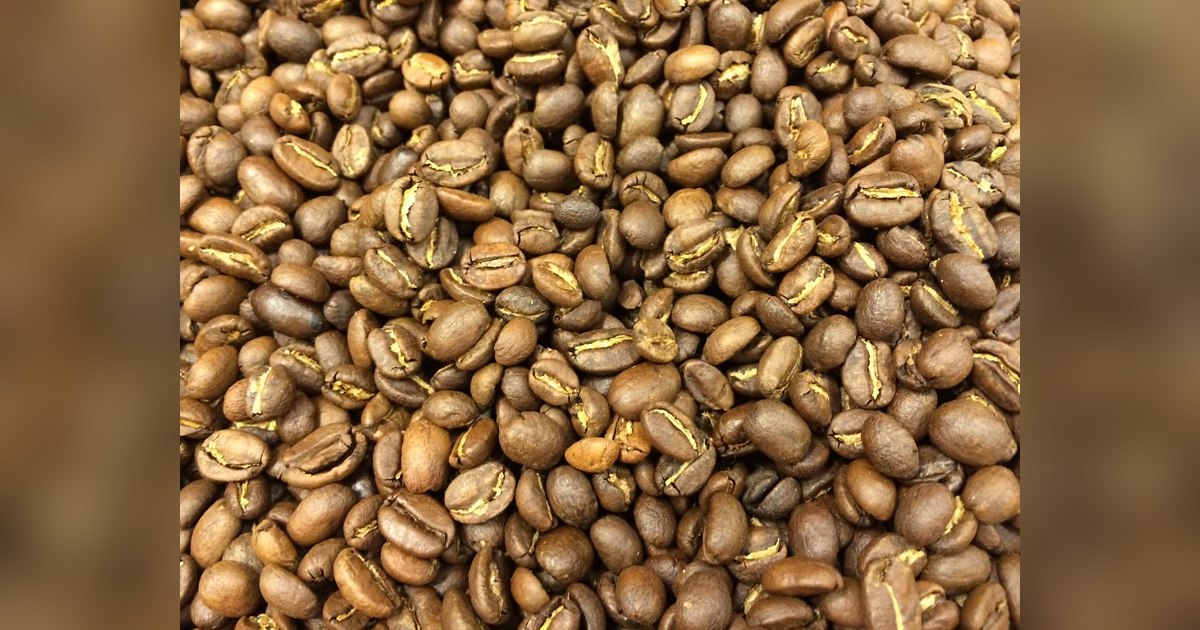
Image: AndreasPoike via Flickr (CC BY 2.0). For illustrative purposes only — not the exact product reviewed.
Light, Medium, or Dark Roast: Which Works Best for Pour-Over?
Walk into any specialty coffee shop and you'll see bags labelled "light," "medium," or "dark." Sometimes they use colours, sometimes roast names like City, Full City, or Vienna. Behind the inconsistent labelling sits a genuine difference in how these beans behave in your dripper, and knowing what that difference is will save you from blaming your technique for a problem that starts in the bag.
What Roasting Actually Does to Coffee
Green coffee beans are dense, hard, and smell like hay. Roasting transforms them through a series of chemical reactions called Maillard reactions and caramelisation. The longer and hotter the roast, the more these reactions progress.
- Light roast beans reach "first crack" (an audible popping sound, around 196 °C internal temperature) and are pulled from the roaster shortly after. They're dense, acidic, and preserve the origin character of the bean. A Kenyan light roast tastes nothing like an Ethiopian light roast.
- Medium roast beans go a minute or two past first crack. Some origin character remains, but caramelisation adds sweetness and body. Acidity mellows. This is where most people find their favourite balance.
- Dark roast beans approach or pass "second crack" (around 224 °C). The roast flavour dominates: chocolate, smoke, caramel, sometimes char. Origin distinctions fade. A dark roast Colombian and a dark roast Sumatran taste more similar to each other than their light-roast versions ever would.
How Roast Level Changes Pour-Over Brewing
Extraction Speed
Light roasts are hard and dense. Water needs more energy and more time to dissolve their flavour compounds. Dark roasts are porous and brittle, having lost moisture and structural integrity during the longer roast. They extract much faster at the same grind size and temperature.
Practical takeaway: if you switch from a medium to a light roast without adjusting anything, your coffee will taste sour and thin. If you switch to a dark roast without adjusting, it'll taste bitter and ashy.
Grind Adjustments
For light roasts, grind 1 to 3 clicks finer than your medium-roast setting on your grinder to increase extraction. For dark roasts, go 1 to 3 clicks coarser to slow extraction down. The exact number depends on your grinder's click resolution; our grind size guide has a full reference.
Temperature Adjustments
Light roasts benefit from higher water temperatures (94 to 96 °C) to help break through their density. Dark roasts taste better at lower temperatures (88 to 92 °C) because the increased solubility means hot water pulls out charred compounds very quickly. A variable-temperature kettle like the Fellow Stagg EKG makes this adjustment effortless.
Dripper Choice
Fast-draining drippers like the Hario V60 pair well with light to medium roasts because you have more control over contact time through your pouring technique. Flat-bottom drippers like the Kalita Wave provide a more consistent extraction for darker roasts because the restricted drainage prevents the water from rushing through the highly porous grounds too quickly.
Flavour Profiles by Roast Level
Here's what to expect in the cup when you brew each roast level well:
- Light: Bright acidity, floral or fruity notes (blueberry, citrus, jasmine), tea-like body, complex aftertaste. Can taste sour or acidic if under-extracted.
- Medium: Balanced acidity and sweetness, caramel and nut notes, medium body, clean finish. The most forgiving roast level for pour-over beginners.
- Dark: Low acidity, chocolate and smoky notes, heavy body, sometimes a bittersweet or roasty finish. Easier to over-extract into bitterness.
Which Should You Start With?
If you're new to pour-over, start with medium roast. It's forgiving of minor technique errors, produces a balanced cup across a wide range of grind sizes, and doesn't demand precise temperature control. Once you can consistently brew a cup you enjoy with a medium roast, branch out.
If you already love fruity, complex flavours and don't mind a brewing challenge, go light. If you prefer bold, chocolatey coffee and want a quicker, less fiddly routine, go dark.
The real answer, of course, is to try all three and see what your palate tells you. That's the point of pour-over: you're in control of every variable, so you can make any roast level taste exactly the way you want it.
Buying Tips
- Check the roast date. Specialty roasters print the date the beans were roasted. Supermarket brands print an expiry date that tells you nothing useful. For pour-over, beans are best between 7 and 30 days off roast.
- Look for origin information. If the bag says "100% Arabica" and nothing else, it's a blend of whatever was cheapest that week. A bag that names the country, region, and processing method signals that someone cared about what's inside.
- Store properly. Fresh beans go stale fast. Read our bean storage guide for the full breakdown on containers, freezing, and shelf life.