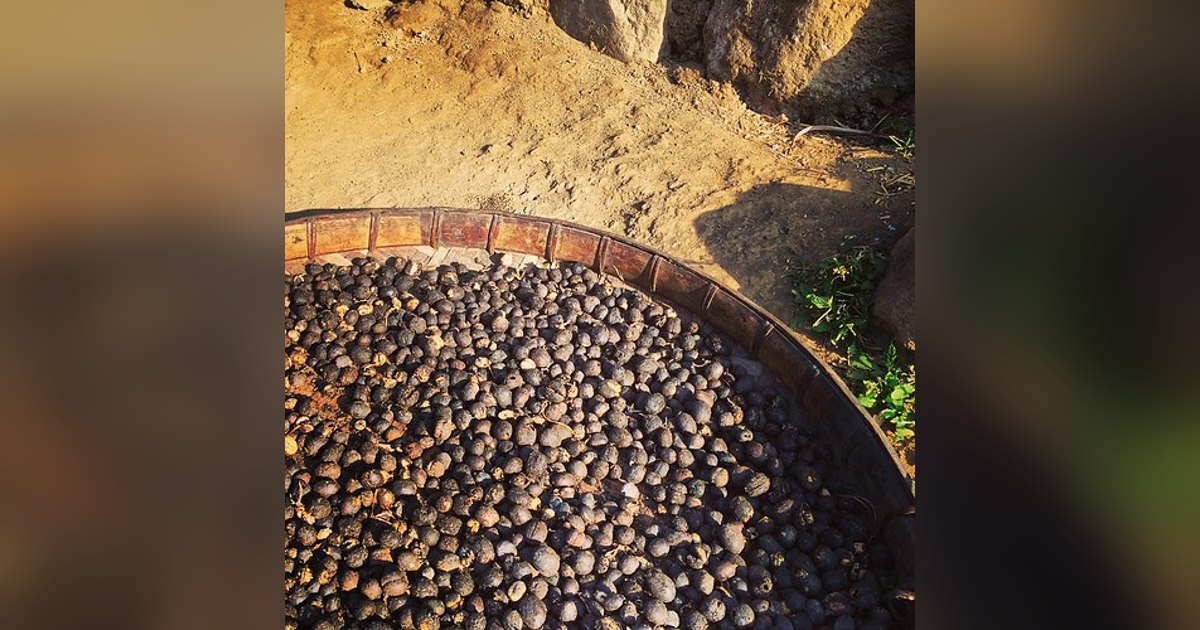
Image: UpSticksNGo via Flickr (CC BY 2.0). For illustrative purposes only — not the exact product reviewed.
Single Origin vs Blend: Choosing Beans for Pour-Over
You're standing in front of a shelf (or scrolling through a roaster's website) staring at two bags. One says "Ethiopia Yirgacheffe, washed process, notes of blueberry and jasmine." The other says "House Blend, smooth and balanced." They cost roughly the same. Which one do you put in your cart? The answer depends less on quality and more on what kind of coffee experience you're after.
Definitions: What the Labels Actually Mean
Single origin means all the beans in the bag come from one identifiable source. That source can be as broad as a country (Colombian) or as specific as a single farm lot (Finca La Palma, Huila, Colombia, Lot 24, harvested November 2025). The more specific, the more traceable, and generally the higher the quality.
Blend means the roaster combined beans from two or more origins into one bag. The goal is usually to create a flavour profile that's consistent, balanced, and repeatable year-round, even as individual harvests change with the seasons.
Neither is inherently better. They serve different purposes.
Single Origins: The Case For
Single origin coffees are the reason specialty coffee exists as a movement. They express terroir, the unique combination of soil, climate, altitude, and processing that makes coffee from one place taste fundamentally different from coffee grown somewhere else.
- Ethiopian coffees (especially from Yirgacheffe and Sidamo) are known for bright, floral, and fruity profiles: blueberry, citrus, jasmine, bergamot.
- Kenyan coffees tend toward intense acidity with blackcurrant, tomato, and grapefruit notes. They're polarising but unforgettable.
- Colombian coffees offer a middle ground: clean, balanced acidity, caramel sweetness, and nut-like body. The most approachable single origins for newcomers.
- Central American coffees (Guatemala, Costa Rica, Honduras) often feature chocolate, brown sugar, and stone fruit. Reliably pleasant and easy to brew.
- Indonesian coffees (Sumatra, Java) are heavy-bodied, earthy, and sometimes funky. They pair well with darker roast levels and work brilliantly in immersion brewers.
Pour-over is arguably the best way to experience single origin coffee because it produces a clean, transparent cup that doesn't mask delicate flavour nuances the way espresso or French press can.
Blends: The Case For
Blends get a bad reputation in specialty coffee circles, and that's partly deserved: low-quality blends exist specifically to hide cheap, defective beans behind a generic label. But a well-crafted blend from a good roaster is a different product entirely.
- Consistency. Single origins are seasonal. Your favourite Ethiopian lot will sell out, and next year's harvest will taste different. A good blend is designed to taste the same all year because the roaster adjusts the component ratios as seasonal coffees come and go.
- Balance. Some origins are bright but lack body. Others have body but limited acidity. A blend can combine the acidity of a Kenyan with the body of a Brazilian and the sweetness of a Guatemalan to create a cup that no single origin can produce alone.
- Forgiveness. Blends are typically roasted to a medium level and designed to taste good across a wide range of brew parameters. If you're still learning technique, a blend is far less punishing than a delicate washed Ethiopian that demands precise temperature and grind control.
How to Choose: A Practical Framework
Ask yourself three questions:
1. What flavour experience do I want?
If you want to explore and taste something distinctive, go single origin. If you want a reliably good, uncomplicated morning cup, go blend. There's no wrong answer. Many experienced coffee drinkers keep both: a blend for weekday autopilot and a single origin for weekend exploration.
2. How confident am I in my technique?
Light-roast single origins are the most demanding beans to brew well. They need precise grind size, high water temperature, and careful pouring. Medium-roast blends forgive minor errors. If you're still learning to dial in, start with a blend and graduate to single origins as your technique improves.
3. How much do I want to spend?
Traceable single origins from named farms cost more because the supply chain is shorter and the farmer gets paid more. Blends built from commodity-grade beans are cheaper but less interesting. Mid-range single origins (Colombia, Brazil, Honduras) offer excellent value: distinctive flavour without the premium of micro-lot Ethiopians or Kenyans.
Brewing Adjustments
The beans you choose affect how you set up your brew:
- Light single origins: Grind finer, brew hotter (94 to 96 °C), expect longer brew times. Use a dripper that gives you control, like the Hario V60.
- Medium blends: Grind to the middle of your range, brew at 92 to 93 °C, and trust the process. A Kalita Wave provides consistent results with minimal fuss.
- Dark single origins: Grind coarser, brew cooler (88 to 91 °C), and pour faster. Consider a Chemex, whose thick paper filters absorb excess oils from dark roasts and produce a cleaner, less bitter cup.
For a complete guide to adjusting variables by roast level, see our roast level guide.
Where to Start
If you've never tried specialty single origin coffee, buy a washed Colombian or a natural Brazilian from any well-reviewed roaster. These origins are approachable, forgiving, and will clearly demonstrate the difference between specialty and supermarket coffee. Once you taste that difference, you'll know whether the single-origin rabbit hole is for you.
If you've been drinking single origins exclusively and feel overwhelmed by choice, try a well-made seasonal blend from a roaster you trust. You might find that having one fewer decision to make in the morning is its own kind of luxury.